
Pushbacks in the Med
Trying to avoid hand-wringing, but even though I kind of follow related news, I haven’t realised before just how appalling pushbacks in the Mediterranean are. Children and adults who have made the crossings seeking asylum and arrived on Greek islands are being taken by authorities back to the sea, in dinghies, left to drift back to Turkey. Children. Left in the middle of the sea. And anyone trying to help on the islands immediately after landing before pushbacks is likely to be sentenced for people smuggling (also see a report from our friend Amber Bauer today on Chios). These are not isolated incidents, this is the “norm” now, with multiple documented evidence (https://www.hrw.org/…/human-rights-watch-submission…). Europe 2021, what do you say? The so-called Narcissist prayer comes to mind. When will this end?
This didn’t happen. And if it did, it wasn’t that bad. And if it was, it’s not a big deal. And if it is, it’s not our fault. And if it was, we didn’t mean it. And if we did, they deserved it.
Holocaust Rememberence Day
Tomorrow marks Holocaust Remeberance Day: 75 years since Auschwitz-Birkenau, the largest Nazi concentration and death camp, was liberated by the Soviet Army. In the UK, this day is also dedicated to people who suffered in genocides other than Holocaust, such as ones in Cambodia, Rwanda, Bosnia and Darfur. As usual, there will be commemoration events, at which some politicians will do some wise speeches about how this is an important history lesson and how racism and hatred have no place in our modern civilised society. At the same time, last week, perhaps those same politicians, voted down for the 3rd time the Dubs Amendment in EU Withdrawal Bill. Lord Dubs was himself a Jewish child refugee who was saved from the Nazis by Kindertransport, an initiative that allowed him safe passage from Czechoslovakia to the UK. Now, his amendment is aimed to ensure that unaccompanied refugee children in Europe could continue to come to the UK to join a relative here after Brexit. It is simply beyond me to comprehend how 342 people could gather in a room in a fancy palace, in one of the wealthiest cities on Earth, and all go like “Hmm, allowing children, who have suffered war and human trafficking, to reunite with their families? Nah, don’t think so”. For several times in a row.
You know, many people wonder what would they do if they lived during Nazi times and Holocaust. Well, we are kind of doing it now.
To read more and support the current UK safe passage campaign please see https://www.safepassage.org.uk/, or their page Safe Passage
Our personal fundraiser that would go to support refugees on the road across Europe – https://www.kindlink.com/…/sleepout2020-estereelliot
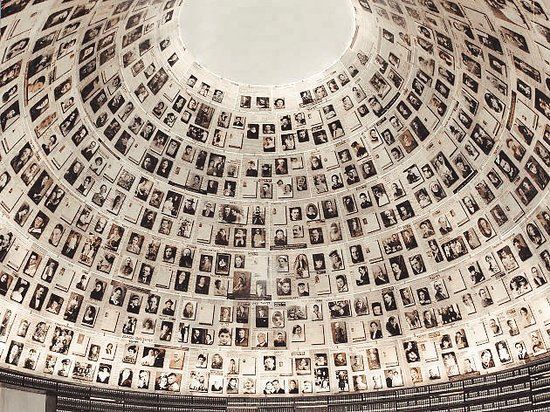
Yad Vashem, the world Hocolaust Remembrance centre in Jerusalem
The mines of Moria
There’s a brief global overview below, but first, IMPORTANT bit for Cambridge residents: please sign this petition – https://bit.ly/33WPBfz – if you feel that our city should welcome refugees. The interface of the council website is not user-friendly, and you have to register, but please stick with it – unlike many other online petitions, this one actually has a chance of making a difference. For more info and context, read on.
A lot has happened in the last few weeks in the refugee news. A lot has been written by various NGOs here on facebook and elsewhere, but I don’t know how much it reaches “outside” people, so I’ll try to summarise things again here.
Part I, the Fire. Two weeks ago, Moria, the biggest refugee camp in Europe located on Lesvos, burnt to the ground. The camp was built for 3000, and “housed” 13000 in tents; fires broke out there several times before, once getting a woman and a baby killed; sanitation conditions are poor and Covid19 has just started spreading a week before the fire. So really, another catastrophe was waiting to happen, and NGOs have been warning about this for years. The 13000 Moria residents, 40% of which are children, have lost what little they had, reliving the nightmares they had fled from. They then spent about a week literally on the road between the ashes of Moria and the town of Mytilene – police weren’t letting people into the town, and were applying tear gas, again, literally to families with kids by the side of the road and carparks. There were also reports of ultraright-wing groups and fascists turning up in vehicles, and attacking both the refugees and the NGO volunteers. During the week, the Greek government provided minimal food once a day, but the Army refused to distribute it, leaving it for volunteers to do. Meanwhile, a new camp was being built: UNHCR tents on an old military firing range, by the see open to the storms. The tents are just shells above bare ground, and again, virtually no sanitation facilities. By Sunday, people were moved in there: not that there was a choice, as it was announced that asylum claims would not be processed unless they do so, and small NGOs were banned from distributing food outside the camp, as well as from operating inside the new camp. This week, the smaller camps on Lesvos, such as beautiful community-run Pikpa, which housed the most vulnerable refugees, has been ordered to close.
Part II, the EU pact. This Wednesday, EU announced their new Migration Pact. They said “humane approach”, but in reality the pact is mostly replication the failed and inhumane approaches. They said “No more Morias”, but the pact is describing stopping at the border procedures similar to before, and EU is funding the new camp on Lesvos. It calls for “strengthening” EU borders, which came to mean more violent and illegal pushbacks (again, literally) at the sea and land borders.
Part III, Solidarity movement. Since the fire, a lot of generous people have donated money and material aid. Socially distant protests across Europe have been calling for governments to act and take in people – from thousands of people protesting in German towns, to a dozen in my hometown Riga (thank you especially), it has been at least heart-warming. Yes, protests and petitions not always are efficient, and virtue signalling is sometimes a thing, but complicit silence is worse. #EuropeMustAct campaign is co-ordinating some of these movements, and are running a global petition here – https://www.change.org/firemoriacamp. In Cambridge, we are calling for city council to do what they can too – please read and sign, as stated above (again, https://bit.ly/33WPBfz). Unlike change.org, if this petition reaches more signatures, it will be forced for discussion on the October Council meeting, and we have already councillors on our side, so this can actually lead to slow, but real change.
Note1. Information here are first-hand accounts from friends and NGOs on the ground, as well as official press releases. More info and images from: Choose Love, Europe Must Act. For those willing to help in Cambridge – as always, Cambridge Convoy Refugee Action Group, CRRC (Cambridge Refugee Resettlement Campaign), and Europe Must Act – Cambridge. In Latvia – Gribu palīdzēt bēgļiem.
Note2. There are many more emotional, economic, political, and philosophical aspects to the situation – it’s hard and too much putting everything together, but let me know if any particular questions you think are worth discussing.
Numbers & links
*EN [про беженцев, снова – по-русски ниже]*
Every once in a while, I post here about the refugee crisis in Europe and volunteering. Each time it gets a bit less of a response, which is completely understandable of course: there is so much media noise, and only a limited amount of issues in the outside world that one could genuinely care about. Besdies, the refugee crisis isn’t trendy anymore (what is the current thing, Greta and Climate Change?). I don’t see it as much, because a lot of my facebook feed is filled with people I’ve met over the last few years – amazing, caring and devoted volunteers, who keep fighting and doing their part. However, for the rest, I feel like it’s a good time for another update.
Let’s try with numbers this time. Except please keep reminding yourself, that these are not numbers, but actual people. Arrivals (meaning boats carrying asylum seekers crossing Mediterranean sea) are at all time high on Greek islands since 2016. So far this week, 45 boats have arrived carrying approximately 1500 people. It’s considerably less than last week, when 89 boats arrived, 3223 people. The 90th boat almost reached the shores of Chios but capsized. 12 people were saved but 5 children and 2 women were found drowned.
In only five days, 123 boats have been stopped by Turkish Coastguard and Police, over 4000 people have been arrested, while trying to reach the Greek Islands. The surge and the clamp down come from a policy change in Turkey, the country which hosts millions of refugees and in July has started to deport them. To places like Idlib and Aleppo in Syria. If you’re wondering, how safe those are, I’d recommend watching the Cannes festival-winning documentary “For Sama”. And no, that’s not a matter of the past years. For example, Save the Children found that more children died in Idlib within the month of July 2019 than in all of 2018.
Moria, the infamous refugee camp on the Greek isle of Lesvos, was built for the capacity of 3000 people. Currently, there are 14 000. 14 000, Karl! 2 weeks ago, a boy hiding in the cardboard box has been run over by a lorry, and last week a big fire in the camp killed a woman and her baby. There is less than one toilet per 100 residents of the camp. And people are trapped in these conditions, waiting for their application to be processed not for days, weeks or months, but for years.
(https://www.youtube.com/watch?v=sv_1eU889Po… – a walk-through Moria filmed a few days ago)
On Lesvos and Samos (another island, camp capacity 650, current population around 6000) the NGOs ran out of tents and blankets to distribute, and urgently are looking for more. On Chios, the smaller island with current camp population of 3700, they have tents, but they literally have no space to put them. How ridiculous is that?
The total number of people trapped on the Greek islands is about 30 000. How many is that in the grand scheme of things? There are around 150 000 Latvians living in the UK. Around the same as in the second and third biggest Latvian cities combined, by the way. So why the hell the European Union, with population of 500 million, can’t deal with the refugee arrivals more humanely?
So what can ordinary citizens do? I doubt I have many facebook friends who have voted for right-wing nationalist governments but obviously a change on the international policy level is crucial, and I’ve no idea how to actually influence it. I would imagine it has to come on the country level – Portugal, for example, a small country with declining population, has decided to welcome asylum seekers, and has volunteered multiple times to accept the relocations from Greece and Italy – how cool is that? But while our countries (assuming most of my facebook friends live in either Latvia or UK) are far from this, please take a look at the list of amazing solidarity groups and NGOs, who you can support/donate to/volunteer with/get info from/shout about. The list is very far from exhaustive, but these are the ones I can personally vouch for (i.e. I have direct experience with, or know from close friends)
International: Help Refugees (fundraising and campaigning, the biggest grassroots charity in the sector), Donate4Refugees Friends (supporting small NGOs across Europe), Indigo Volunteers (matching volunteers and refugee support projects)
Northern France/UK: CamCRAG (obviously… anyone in Cambridge – come to our Annual Gathering on Oct 17th, to hear about the situation from people who actually know), Refugee Community Kitchen (kitchen in Calais, accepts volunteers for as little as 1 day)
France: Utopia 56, Paris Refugee Ground Support
Belgium: Plateforme citoyenne de soutien aux réfugiés Bruxelles
Greek islands: Aegean Boat Report (where most of numbers in this post come from), Refugee Rescue / ‘Mo Chara’, Lighthouse Relief, Refugee 4 Refugees, Samos Volunteers, Chios Eastern Shore Response Team – CESRT, watershed foundation, Lesvos Solidarity – Pikpa
Cyprus: Refugee Support Europe (the one I volunteered with in Greece, now running a day centre in Cyprus)
Balkans: Collective Aid
UK: Refugees at Home (finding hosts across the counry), Safe Passage (campaigning) + many groups supporting refugees locally
Latvia: Gribu palīdzēt bēgļiem
*РУ [same in Russian]*
Раз или два в год, я пишу здесь про кризис беженцев в Европе и волонтёрство. Каждый раз, отзыв всё меньше, что, конечно же, абсолютно естественно – в масс- и социальных медиа и так полно информационного шума, а количество вещей и проблем в окружающем мире, на которых одному человеку может быть не-пофиг, обычно ограничено. К тому же, кризис беженцев – это больше не модно (что у нас нынче, Грета и Глобальное потепление?). Я этого вижу не так много, потому что относительно большая часть моей фейсбук-ленты заполнена людьми, которых я повстречала за последние пару лет – потрясающими, заботливыми и преданными делу волонтёрами, которые продолжают бороться и играть свою роль. Однако, для остальных френдов, мне кажется, пришло время очередного апдейта.
Давайте попробуем с цифрами в этот раз. Только пожалуйста, помните, что это не просто цифры, за каждой из них – реальные люди. Прибытия на греческие острова (имеются в виду лодки с людьми, ищущими убежище в Европе, пересекая Средиземноморье) на данный момент выше, чем все показатели после пика «кризиса» в 2016 году. На этой неделе, 45 лодок причалило, с около 1500 людьми на борту. Это существенно меньше, чем на прошлой неделе, когда было зарегистрировано 89 лодок, 3223 человека. 90тая лодка почти что доплыла до острова Киос, но перевернулась. 12 человек были спасены, 5 детей и 2 женщины погибли.
За последние пять дней, 123 лодки были остановлены турецкими пограничниками и полицией, и более 6000 человек были арестованы при попытки достичь греческих островов. Всплеск и ужесточение патрулей – результат изменений в Турции, стране, которая приняла миллионы беженцев, и в июле этого года начала депортировать их назад. В Идлиб и Алеппо в Сирии. Если вам интересно, насколько эти города безопасны, я советую посмотреть документальный фильм «Для Самы», в этом году получивший приз на Каннском фестивале. И нет, это не дела прошедших лет. Например, благотворительная организация Save the Children сообщает, что больше детей погибло в Идлибе в июле 2019, чем за весь 2018 год.
Мория, печально известный лагерь беженцев на греческом острове Лесбос, был построен с расчетом на 3000 человек. На данный момент, в нем живут 14000. 14000, Карл! Две недели назад, маленького мальчика, прячущегося в картонной коробке, там переехал грузовик, а на прошлой неделе, в большом пожаре погибла женщина и ее ребенок. В Мории приходится меньше одного туалета на 100 жителей. И люди обязаны оставаться в таких условиях, пока их заявку на убежище не рассмотрят – не днями, не неделями и не месяцами, а годами.
(https://www.youtube.com/watch?v=sv_1eU889Po… – “прогулка” по Мории, заснята пару дней назад)
На Лесбосе и Самосе (другой остров, лагерь расчитан на 650 человек, население на данный момент – около 6000), у негосударственных организаций закончились палатки и одеяла для раздачи новоприбывшим, а на Киосе, острове поменьше с населением в лагере около 3700, палатки есть, но физически их некуда ставить. Как такое вообще возможно?
Общее количество людей, в «ловушке» на греческих островах – около 30000. Давайте в масштабе, насколько это много? В Великобритании живет и работает около 150000 латвийских граждан. Примерно столько же, сколько живет во втором и третьем самом большом городе Латвии, кстати. Так какого чёрта, Евросоюз, с населением в более чем 500 миллионов, не может более гуманно разобраться с прибивающими на острава?
Что же могут делать обычные граждане? Я сомневаюсь, что среди моих фб-френдрв много тех, кто голосует за ультра-правые, националистические партии, но конечно изменения на уровне международной политике должны быть ключевыми, и я без понятия, как на это повлиять. Мне кажется, что многое может идти от конкретных стран – Португалия, например, маленькая страна с падающим населением, решила приветсвовать ищущих убежище, и много раз проявляла инициативу принять релокации из Греции и Италии – клёво, не правда ли? Но пока наши страны (предполагая, что большинство моих френдов живут либо в Латвии, либо в ЮК) от такого далеки, пожалуйста, посмотрите хотя бы на пару организаций из списка наверху, которые вы можете поддержать/пожертвовать деньги/поволонтёрить/получить информацию/рассказать друзьям и соседям. Список далеко не полный, но состоит исключительно из организаций, за которые я могу лично поручиться (с которыми у меня есть прямой опыт, или опыт моих близких друзей).
Notre-Dame de Paris
About 10 years ago I was a bit obsessed with the Notre Dame de Paris musical, and knew all the songs by heart. This morning this one (https://www.youtube.com/watch?v=Zw0JAM1tIE0) came on in my shuffle playlist, just in time for when I got back from my romantic extended weekend in the dodgiest areas of Paris.
“Le monde vas changer; il va se melanger” – the musical is from 1998, based on the Victor Hugo novel of 1831, set in 1482.
English version of the song – https://www.youtube.com/watch?v=iE8ofCToscA
If you’re interested in the current situation of refugees and les sans-papiers in France, come and chat with me anytime 10am until 1pm, in my Cambridge Central Perk, The Locker Cafe– https://www.facebook.com/events/1880276338683013/
Welcome to the Jungle
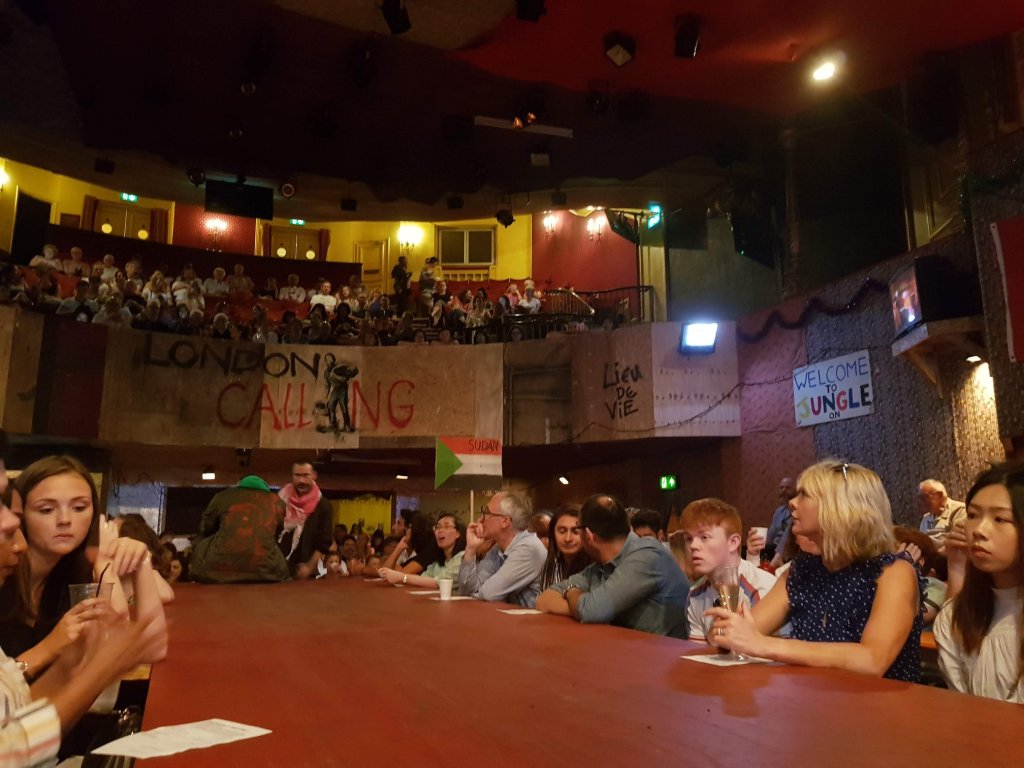
I am obviously biased because of the topics raised, but I am pretty sure The Jungle West End (http://thejungleplay.co.uk/) is the best play I have ever seen. Yes, it is about the Jungle refugee camp in Calais. But it is so much deeper than just “oh poor refugees, how terrible it is fleeing the war and living in a refugee camp”. The Jungle refugee camp had its own charm, how do you feel about that? And what are the motives of volunteers from Britain coming to help there? Who are they helping – refugees or themselves? Volunteers are definitely not the good guys in this play. Even though I did not get a chance to go the Jungle while it was still there, I know quite a bit about it from friends’ stories, and generally about the situation in Calais, and this made watching the play even more enthralling – recognising characters, unknown facts, slang used by refugees.
It is an outstanding example of immersive theatre. As a spectator, you are sitting in an Afghan cafe in the Jungle, and everything unfolds right on the table you’re sitting behind. There’s some more additional seating on the balcony as “The White Cliffs of Dover”. We had literally the best (and for some reason the cheapest) spots and we could see the tiniest details of actors’ facial expressions. And wow, just wow. I cannot even pick my favourite since they were all beyond impressive.
As you might have guessed, it is not a light-hearted play. Good thing I don’t wear make-up – I was in tears for the most part of the second act. Yes, it is not hard to create a good story based on a tragedy – for example, there are many great books and movies about the Holocaust and the Second World War. But unlike the Holocaust and the World Wars, the atrocities in Calais are still ongoing. While we sit there, enjoying the play, people are being abused by police. Hundreds of refugees are arriving to Greek islands – yes, still. For me it is just mind-blowing. The heartbreaking stories told by the actors are not exaggerated, though one has to realise that some bits about how the Jungle was running are indeed romanticised and/or simplified.
The play was created by Good Chance Theatre – yet another amazing charity supporting refugees. The Jungle play casts professional actors, but what the Good Chance usually does is workshops and theatre productions for immigrant and local communities. They started in the Jungle itself, which was wittily mentioned in the play – “oh yeah, theatre, that’s what we need the most right now”. Currently they are putting up shows in Paris every week, which by the way you can volunteer to help with, and it requires less than a week time of commitment, and generally seems like a very fluffy volunteering opportunity. You can support them, or us as CamCRAG, or go on a convoy 27-29 July to see the post-Jungle Calais, and definitely go see the play in London if you have the chance.
 Estere's page
Leave a comment