June has been an intense month for me for many reasons, but let me focus on one here: at Cell Ag UK, I’ve been working on launching our outreach and public engagement programme, and the first couple of events have now taken place. I’m very excited about this work and have been sharing some stuff on LinkedIn, so wanted to bring it together here with a bit more detail too.
And before I’ll actually go into it, a couple of promo links relevant to this for Cell Ag UK at the moment:
- Come say Hi to me and other cool people at Cultivate conference in Birmingham (Tuesday 8 July)
- Sign up to take part in our outreach & engagement actvities!
- Sign up to our mentorship programme autumn 2025 cohort!
- Check out the other projects and subscribe to the newsletter
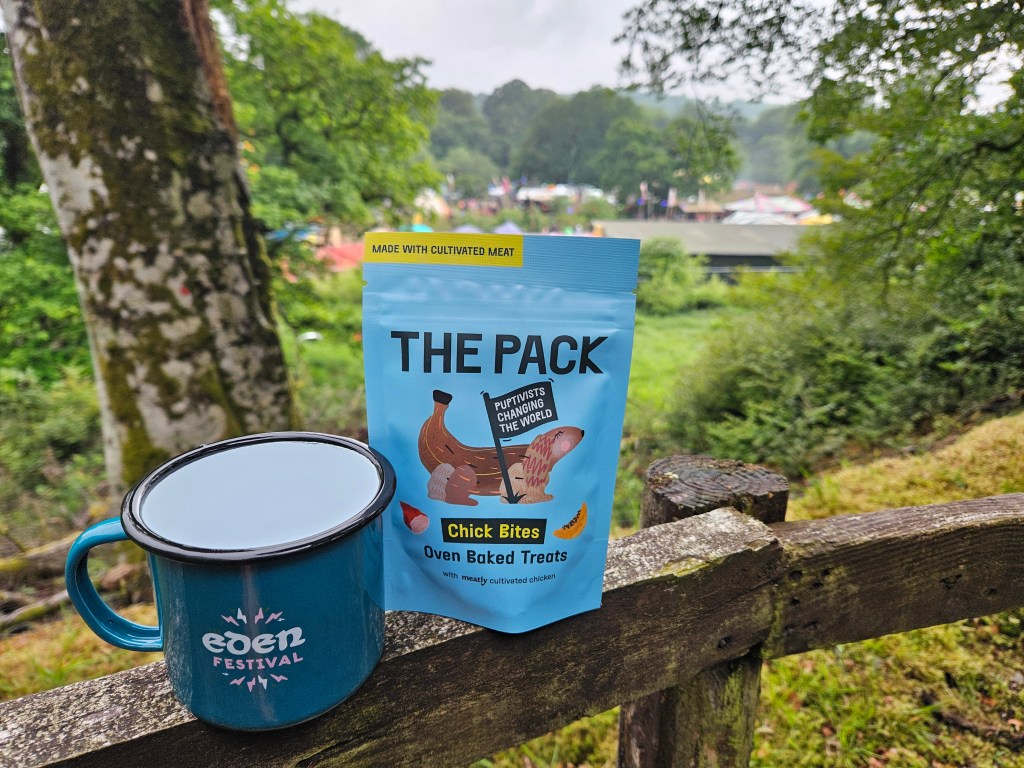
Dog Treats in Eden: temptation by cultivated meat
The first event we did was a panel talk at Eden Festival – a three-day music and arts event in a little valley in south-west Scotland. First, the festival itself was really cool: I’m probably biased because I was there doing my own thing, but honestly it would probably be one of my top ones for the overall vibe. And that’s taking into account that thanks to Elliot, who works at UK festivals in various roles (from running some events fully to radio control to artistic directing to food safety), I’ve been a regular at quite a few by now: Strawberry Fair (fully volunteer-run 30,000-capacity free day festival in Cambridge), Underneath the Stars (lovely small very Yorkshire), Cambridge Folk Festival (much more than folk but very middle class), and even – even? I definitely found that British people have more reverence to this than non-Brits – Glastonbury once (200,000-people strong pop-up city and a parallel universe).
Anyway, back to the panel. I will just copy from LinkedIn what I wrote originally, and a summary from Alex Crisp, the host of Future of Food podcast who we roped in to facilitate (or rather he invited himself to do it? anyway, it worked out well for all parties! all abridged here slightly but keeping the LinkedIn style for transparency).
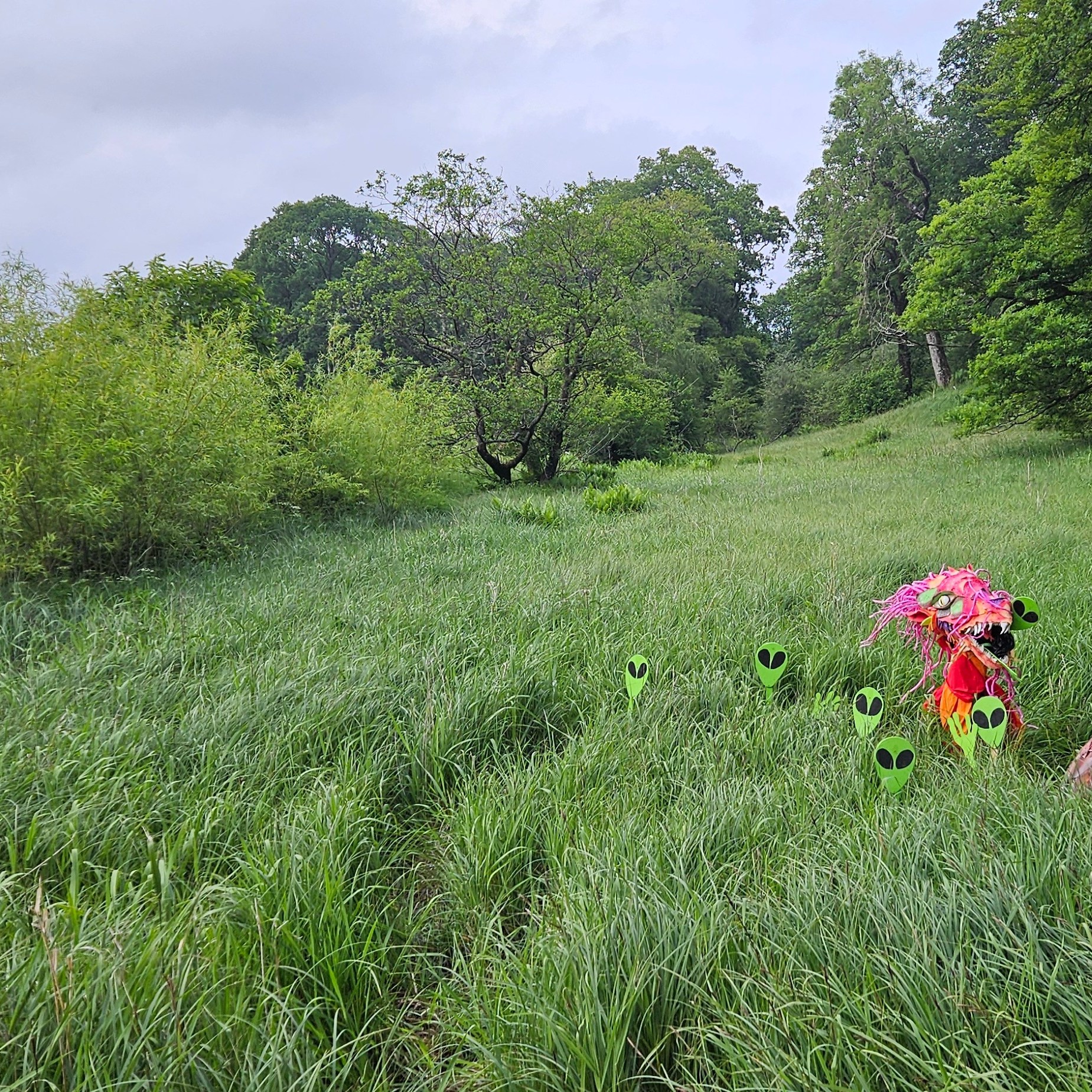
[…] On Saturday, we at Cell Ag UK hosted a very interactive and well-attended panel at Eden Festival in Scotland with our three amazing speakers – Eirini, Matti, and Madeleine + Alex as a facilitator. Big thanks to them, to everyone who came, and to Lucie & Mikey for making it happen! The festival itself was great, and had a space theme (for dress-up & decor), so Lucie and I made sure to mention cell ag in space work from Rodrigo and others.
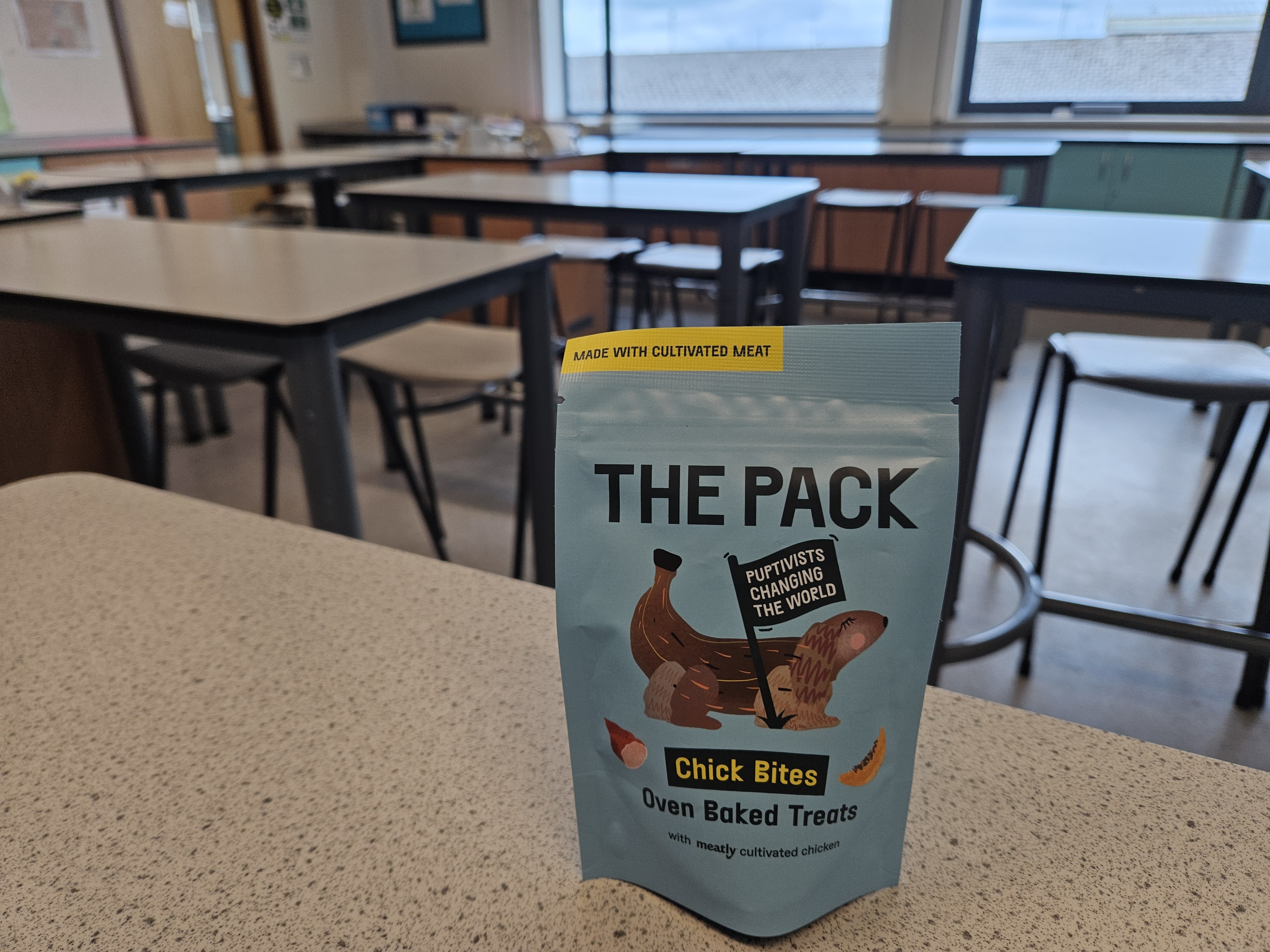
What made the day even more exciting, is that I got to try cultivated meat for the first time! And discovered that people in the field fall under 2 categories, with academics more likely to be in the former: those who are happy to eat a dog treat (Meatly) to say they’ve done it, and those who have a bit more patience and self-respect. 😅[…]
[…]📢 The talk was called Future of Food and had three excellent – clever speakers on the stage [..] – Matti Wilks from the The University of Edinburgh, Madeleine Carter from Roslin Technologies, and Eirini Theodosiou from Aston University. 🗣️ And Estere from off-stage.
Initially the crowd were somewhat split – with a healthy degree of scepticism. With great questions from the audience about the science, the role of #farmers, whether it’s the right solution under the circumstances and, whether it will actually taste any good. And luckily one of the speakers had a bag of #cultivated meat doggie snacks in case anyone wanted to taste. Meatly.
As far as I was concerned it was a marvelous success and by the end, the response was overwhelmingly positive. It was reassuring that, when given the correct information, the public are largely behind this as a potential alternative to factory farming. 🐄
[…] The talk at the Eden festival helped me understand just how important it is to reach out to the public directly – at events like this one. The media doesn’t always deliver information in a balanced and reasoned way and so a direct approach is vital. Curiousity should be met – and encouraged directly – in the moment – on the ground.
[…] I really enjoyed this talk and the opportunity – and it was thanks to the marvellous Estere Seinkmane and Lucie George from Cell Ag UK that the event happened at all. They continue to engage with the public in open conversation on the topic. Estere will be with me and the team at The Future of Protein Production conference in Amsterdam in October, discussing her outreach work.
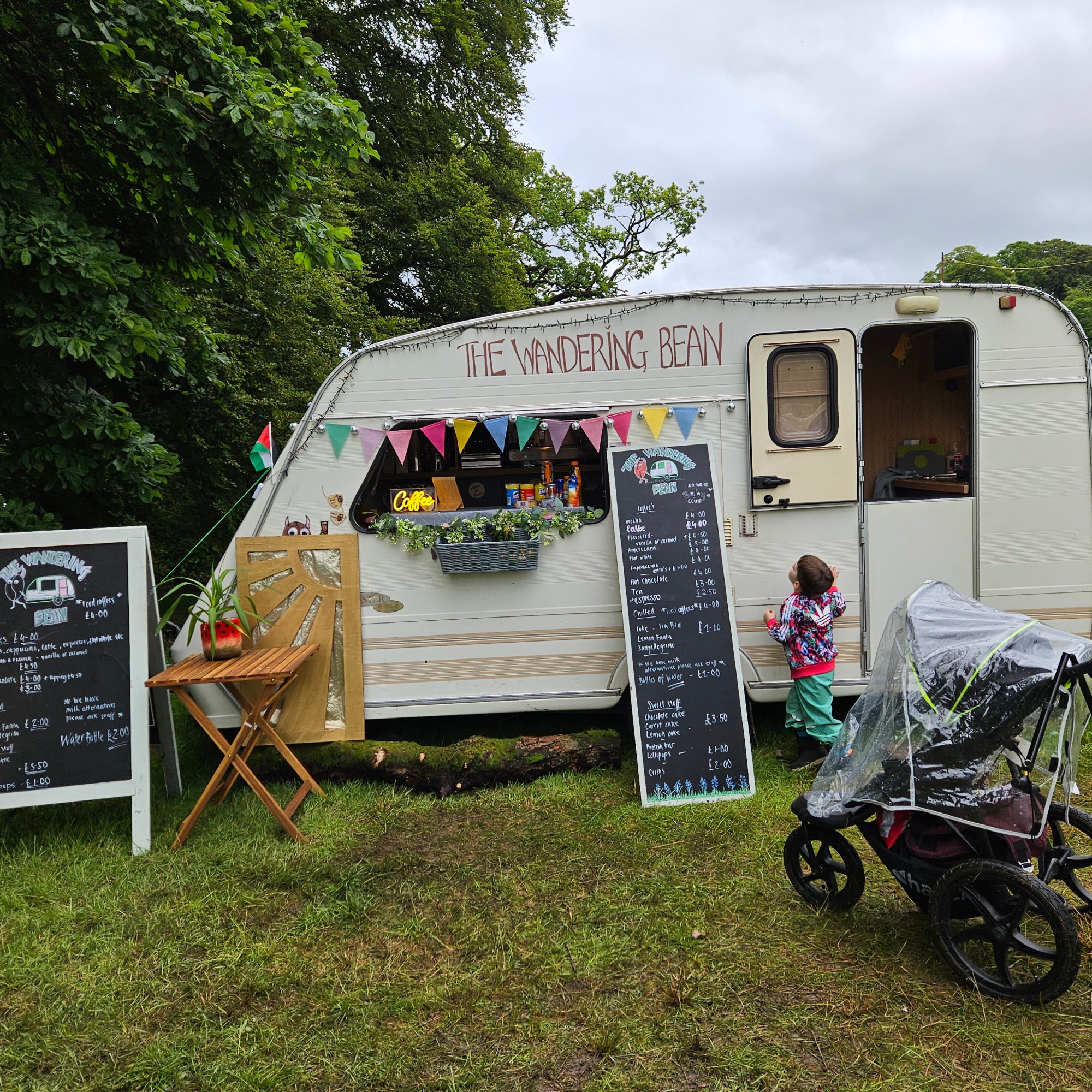
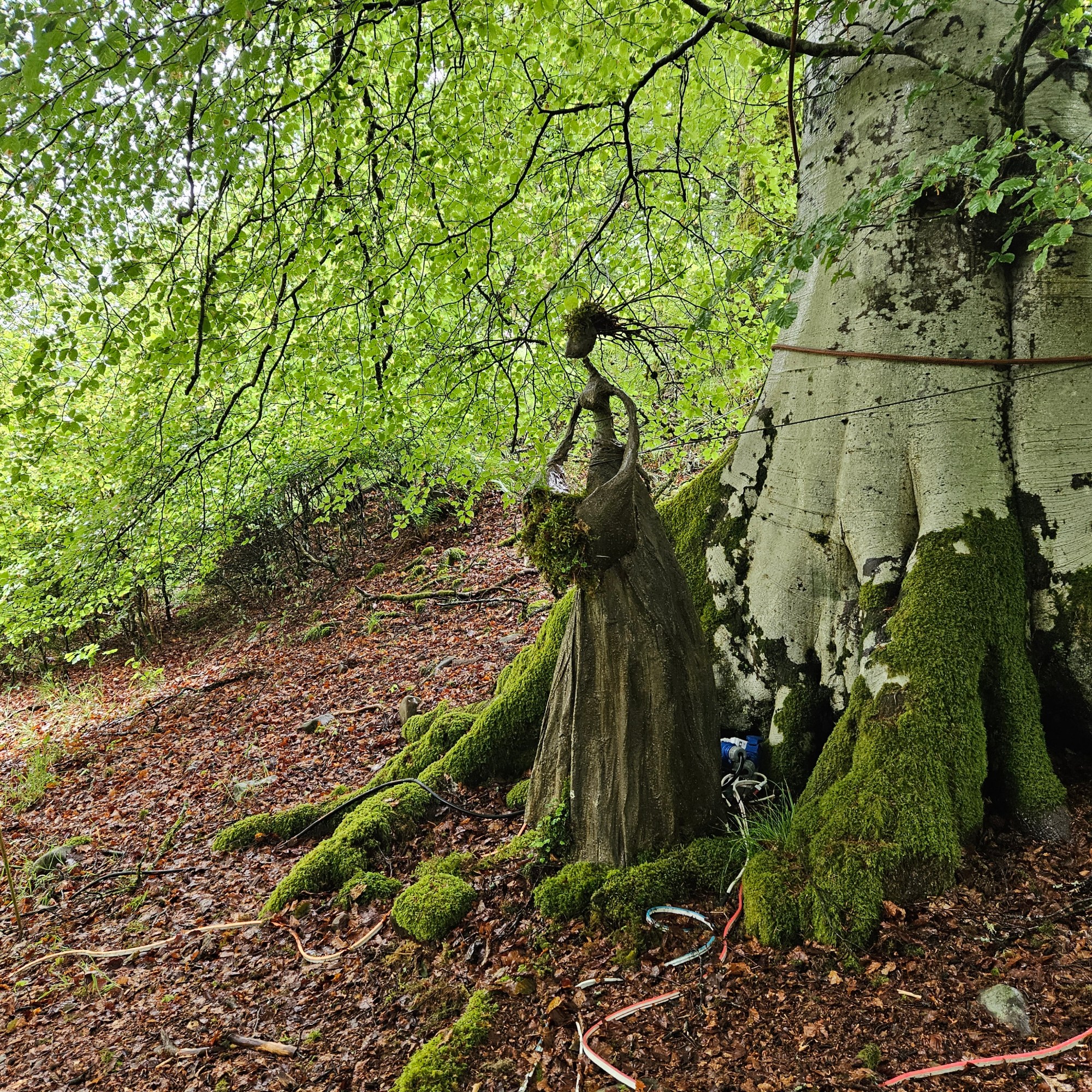
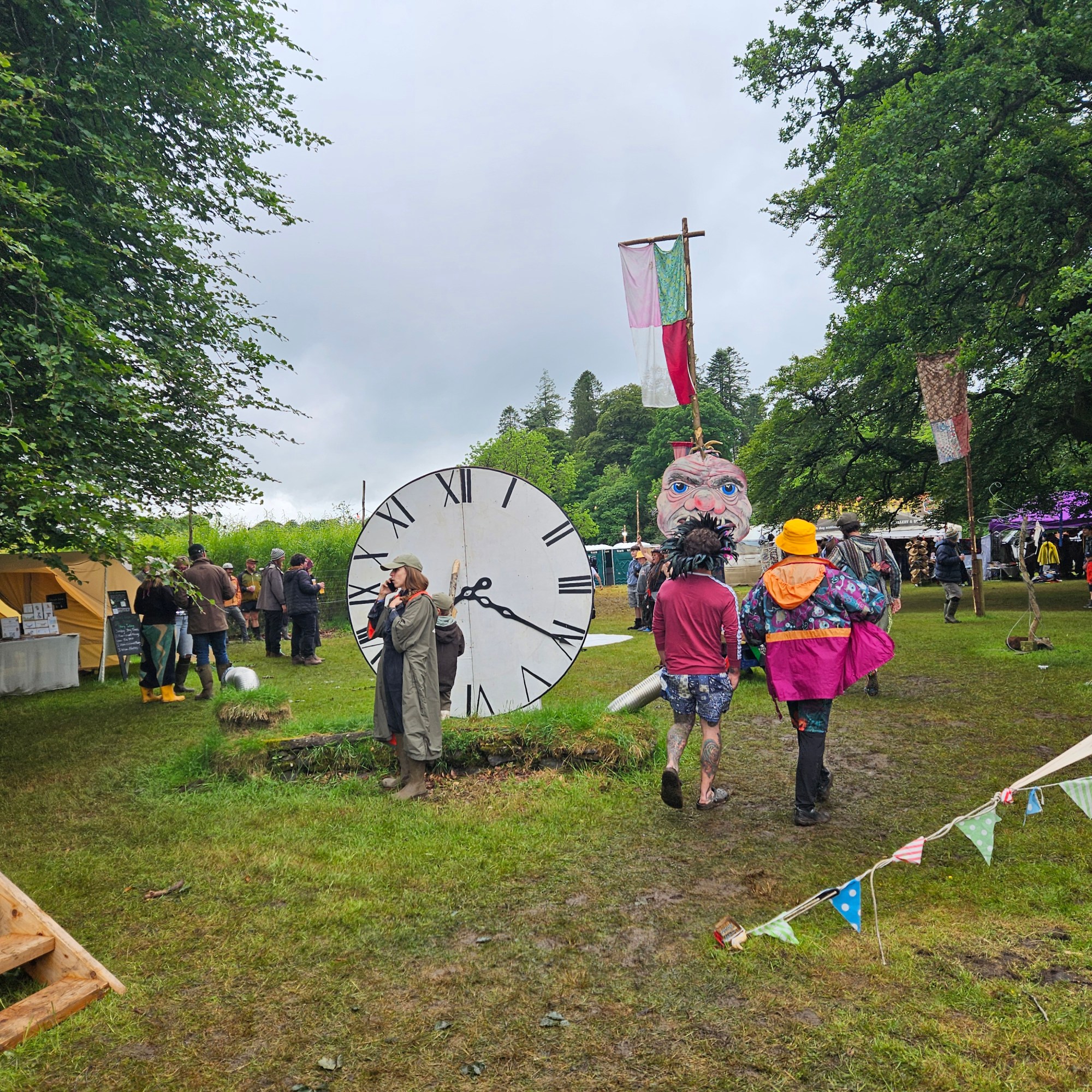
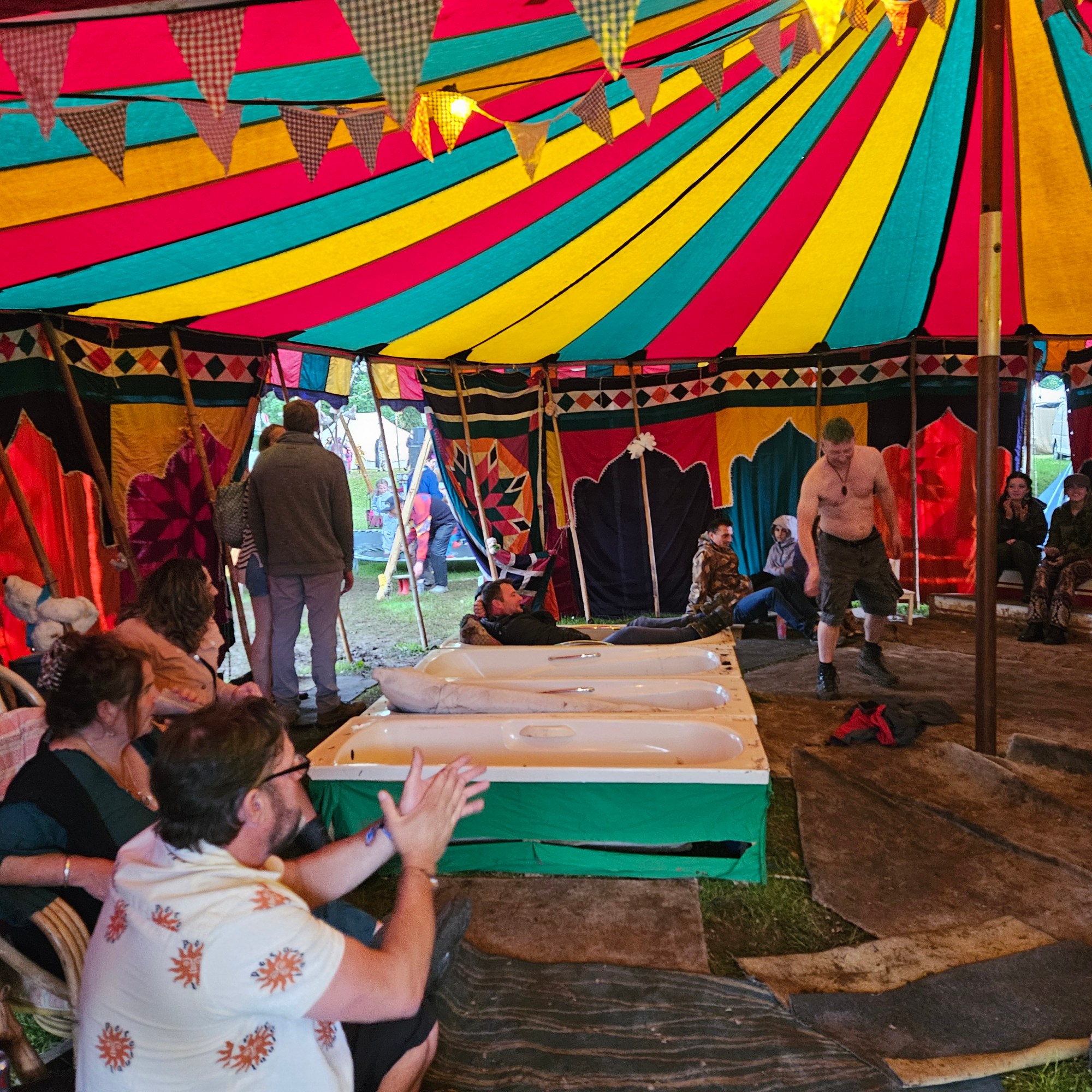
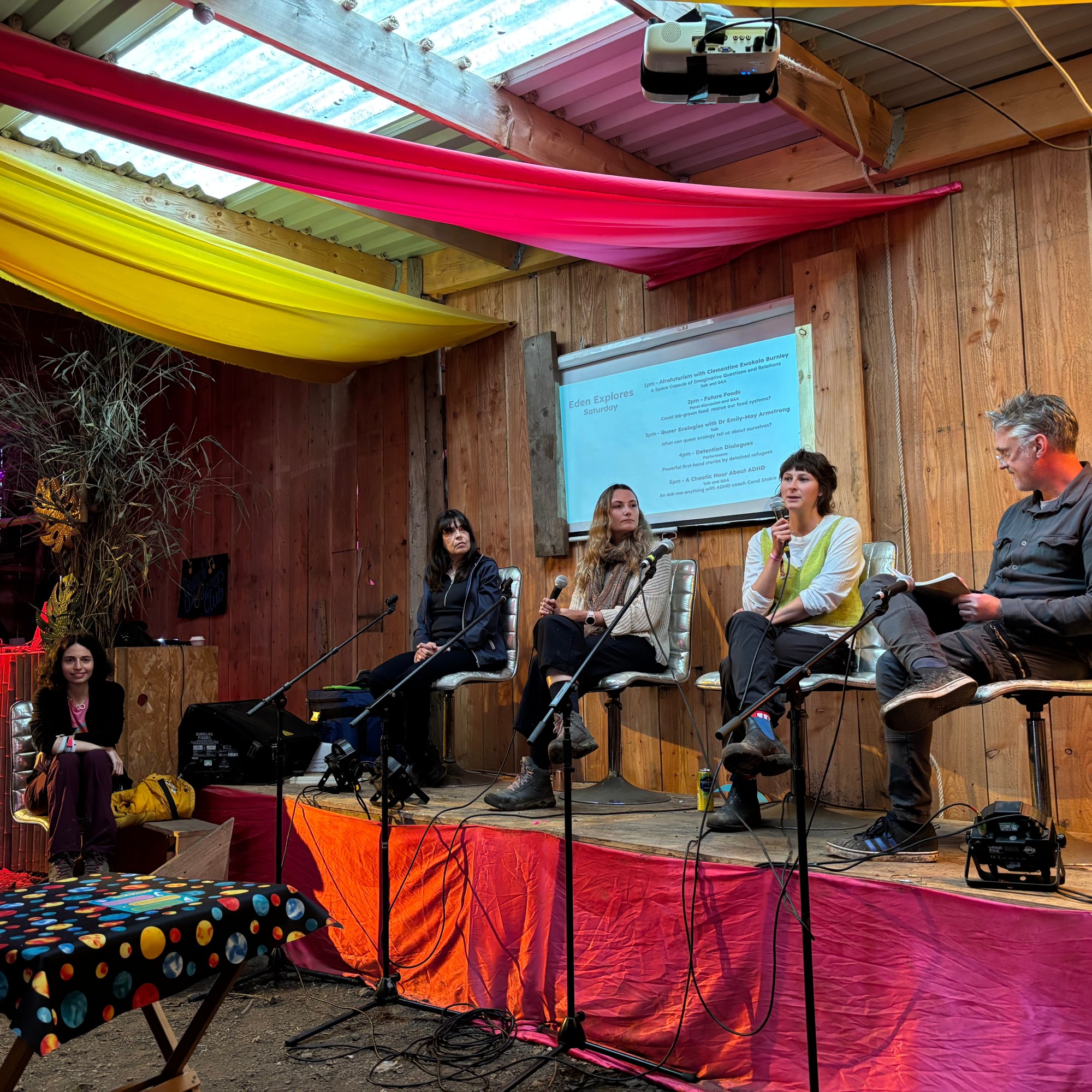
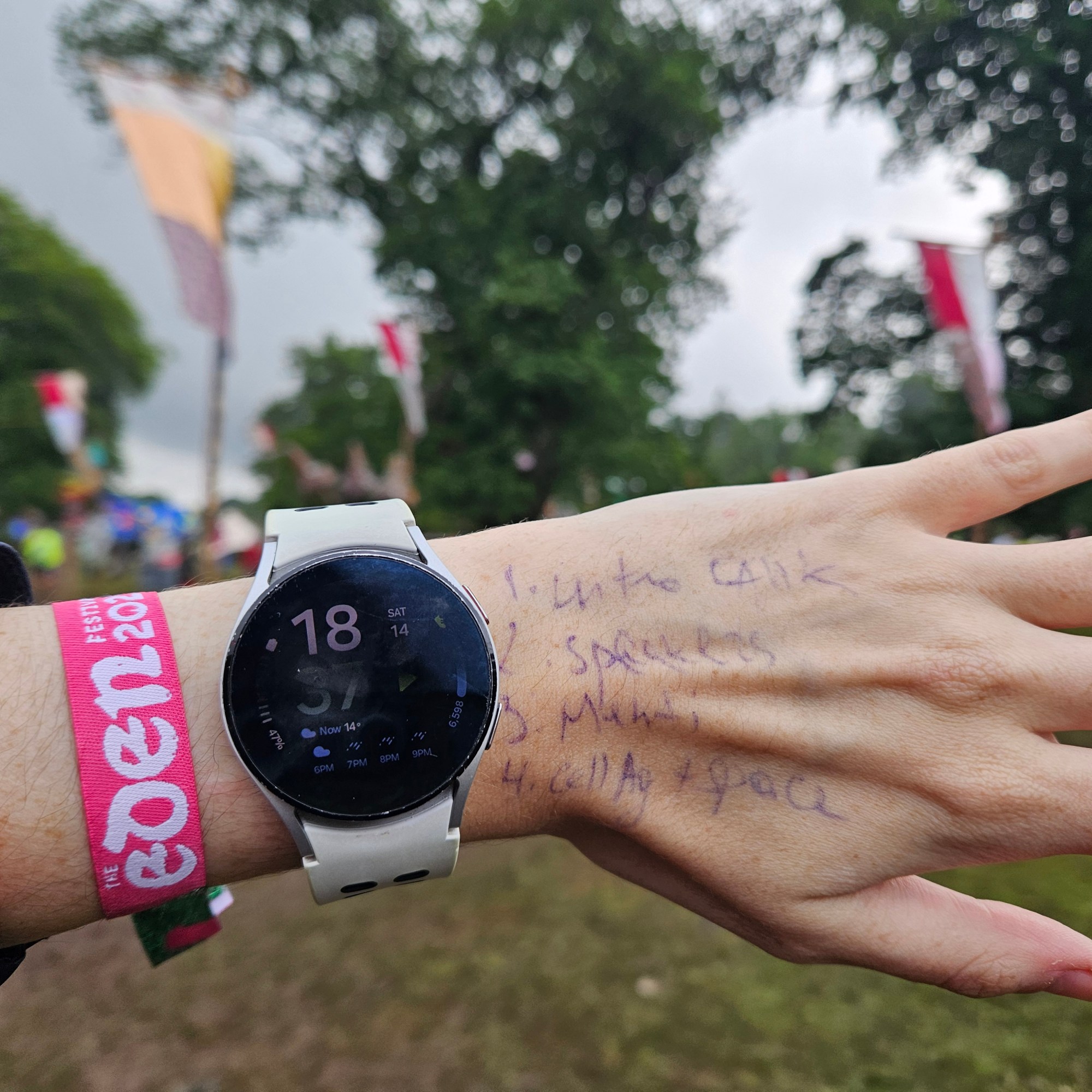
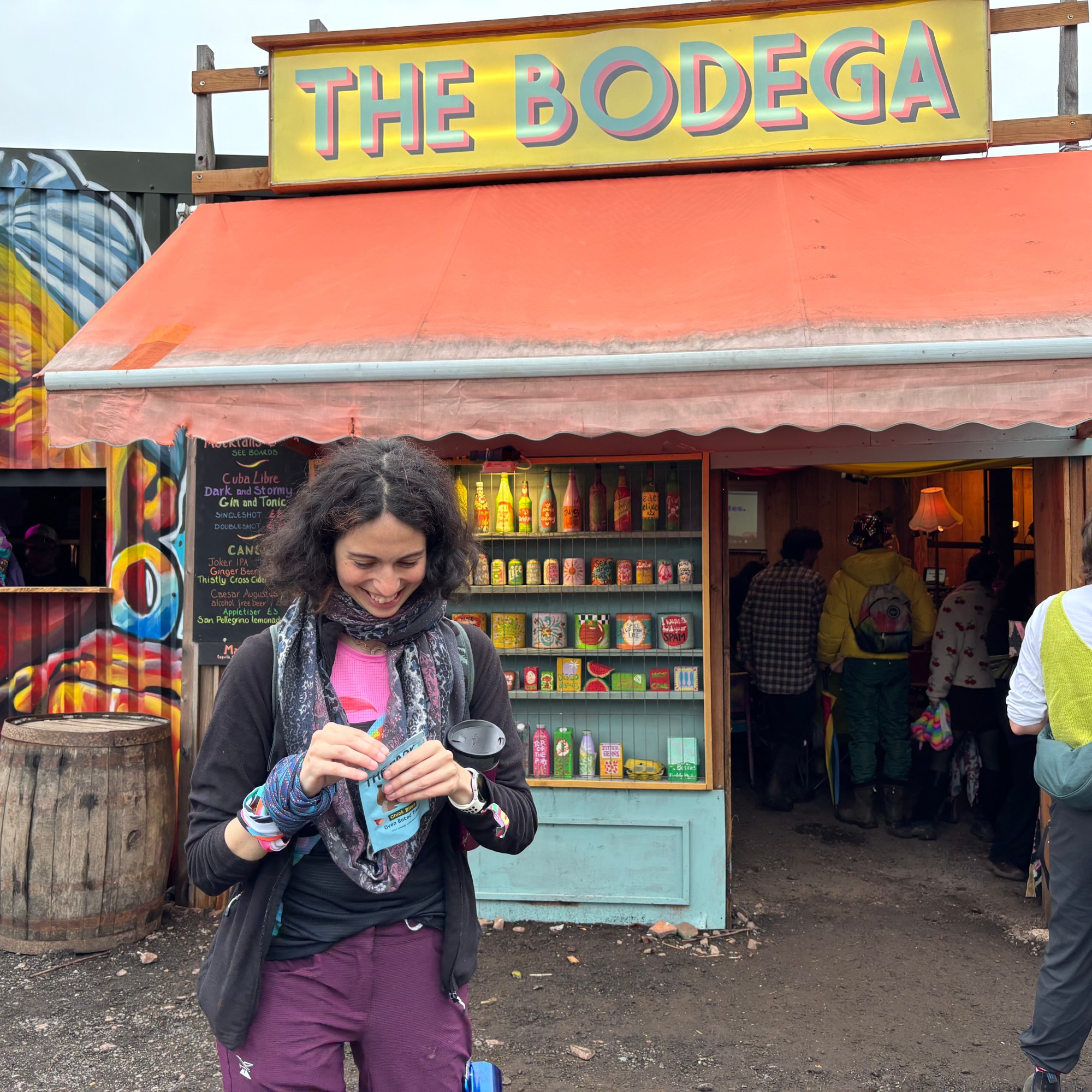
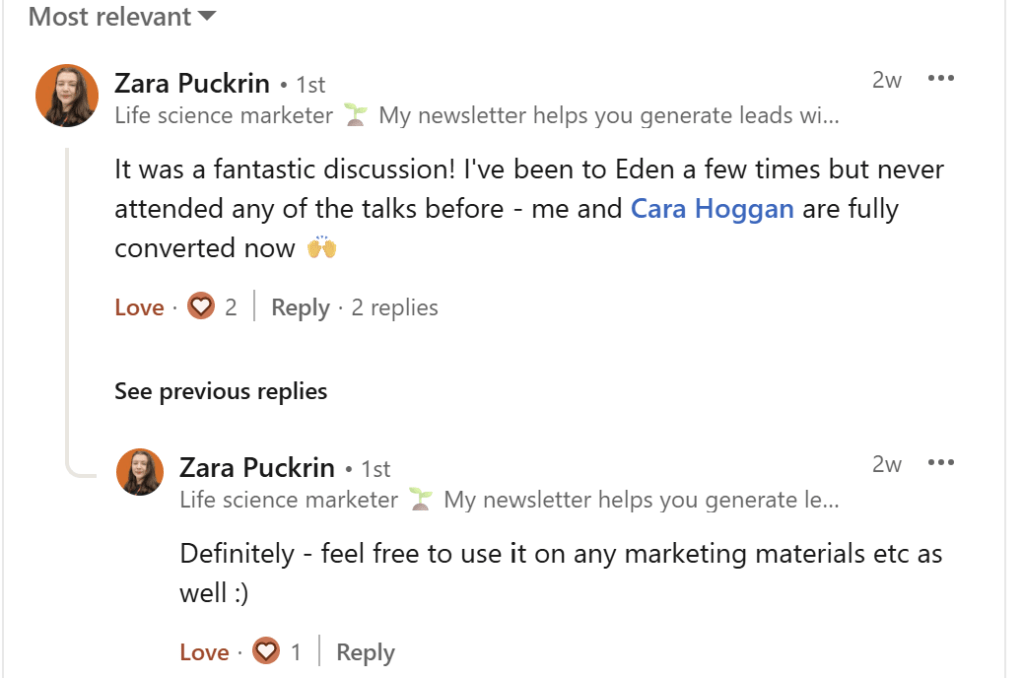
Apart from now being able to say that I’ve tried cultivated meat, my highlight was the personal feedback we got. A woman with a strong Scottish accent came by after a panel saying how we’ve changed her mind, and whether we’d consider working on cultivated milk/cheese, and how that would make a big difference (I agree!). Another woman reached out to me on LinkedIn, saying how she loved the panel, commented on the post, and as a marketer herself encouraged us to use it in future promotion and impact reports.
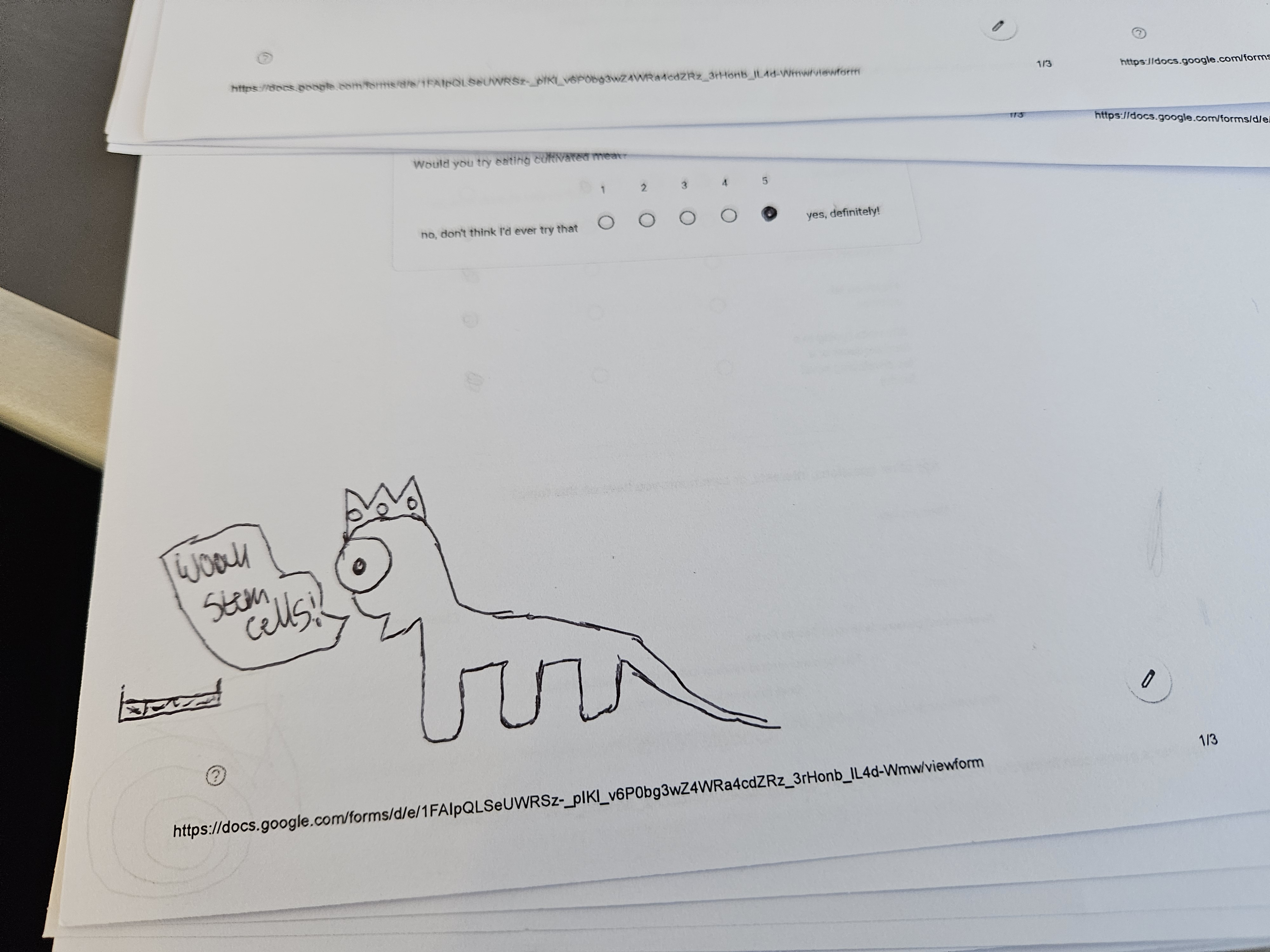
Woah, stem cells!
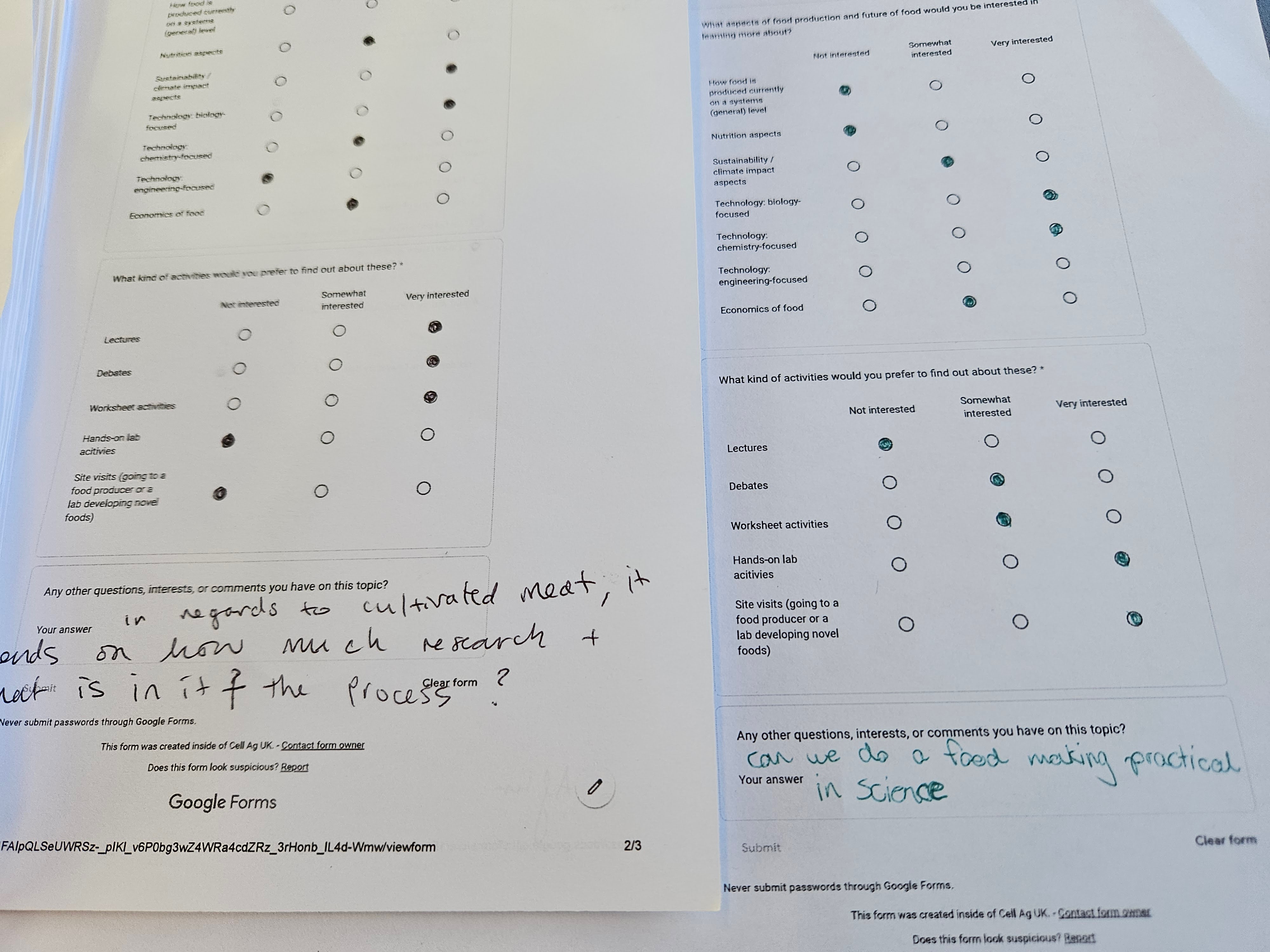
The week after Eden, I also did a pilot run for our school outreach project. This was thanks to Dartford Science and Technology College and “Miss K”, a friend I’ve known since I was ~15, who – I feel strongly I should add – is a Dr with PhD from EMBL, not a Miss! Her and her managers have kindly let me take over three periods in the school, with lessons for Year 10 (GCSE, middle school), Year 12 (A-level, high school), and Year 7 (during a science club, so extra-curricular).
Year 10s were great and engaged in trying to figure out how meat alternatives are produced (they remembered their yeast practicals, and the word “differentiation” too!). Year 12s, who just came out of a mock exam, were quieter but very interested and knowledgeable – I certainly did NOT know a difference between embryonic and adult stem cells in high school, and “FSH” would not have been the first or even the last protein that would have come to my mind! And Year 7s at science club 3-4pm were understandably a bit hyper but happy to chat about nutrition and food more generally. Looking through the questionnaires on the train back definitely made it feel like the exhausting day (how do teachers do more than one lesson a day?!) was totally worth it.
Hope not hype
On Thursday last week, I saw a link to BBC News InDepth article in one of the slack workspaces I’m on (a more general food systems one) – “This burger was made in a lab from cow cells… Should it really be served in restaurants?”. I was disappointed by the journalism, though not surprised: articles on how “lab-grown meat is just a hype”, or “Frankenmeat is coming for you and your dog” are aplenty these days. So I went on a 4-point rant of what thought the article had misrepresented. I originally wanted to also post that on LinkedIn, but thankfully didn’t: I then got “distracted” by the school outreach pilot and by conversations with several nicer and wiser people, which reminded me that engaging in click-bait is probably not what my time and effort should be spent on.
Just for completeness, I’m going to copy my rant response here:
First, it repeatedly uses the term “lab-grown” – while the FSA, FDA, and EFSA – all food safety agencies – use the term cultivated or cell-cultivated (which the article author knows about, but mentions once as “officially known as”); burgers from beef and other food R&D is done in the lab too!
Second, it has statements like “The result is a paste, which is then processed and mixed with other foods such as soy to make it look, feel and taste more like meat” – sure, the output of bioreactors is processed and mixed with other things (again, as is conventional meat for burgers!) but it is certainly that output that makes it feel and taste like meat (well, it is meat), not soy!
Third, the LCA [life cycle assessment] they mention: yes, the concerns about energy are valid. However, the Lynch LCA paper is from 2019, 6 years ago, and there have been other LCAs since too. And there are other considerations – animal welfare & antibiotic resistance/new pandemics in particular (cultivated meat is always compared to the picture of a “happy” local cow in a field, not to intense factory farming which is where the vast majority of meat in the supermarkets comes from).
Finally, I really disagree with the statement from one of their experts:
[[A simpler, cheaper and easier option, he argues, would be to persuade people in both developed and emerging countries to eat less meat.
“It is all very well to propose to people that they should eat a high-protein slurry to keep themselves well,” he argues, “but… I don’t think it is something we should impose on already marginalised groups of people.”]]
This is my personal opinion, but to me it seems that trying to tell people to eat less meat (or even in general what to eat and what not to eat) – especially those who have only recently been able to afford certain products – is less ethical than offering them an alternative!
I mentioned this in one of the other, more cell ag-focused chats I’m on, and ended up in a conversation with Ira van Eelen, who is essentially the godmother of cultivated meat (or god-daughter? He dad William was the one who pioneered the idea itself), at least in Europe. Her response was:
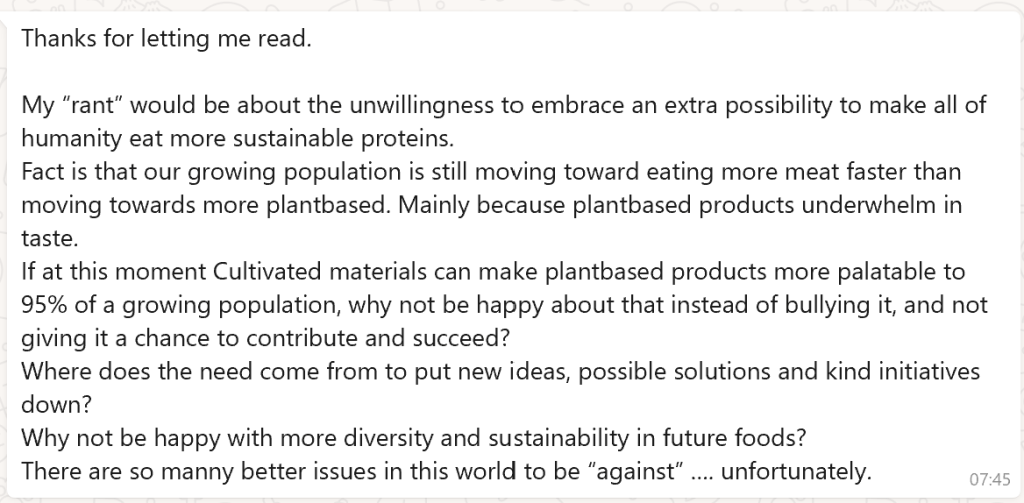
Articles like that BBC one, and posts on other platforms making rounds this week, are so desperate to “disillusion” us, to prove that all is not as optimistic as we/”they” say. Well yes, it probably isn’t. But Ira makes a great point: why do these people feel such a need to have a go at others who are actually trying to provide a (a, not the) solution, rather than just complaining about problems?
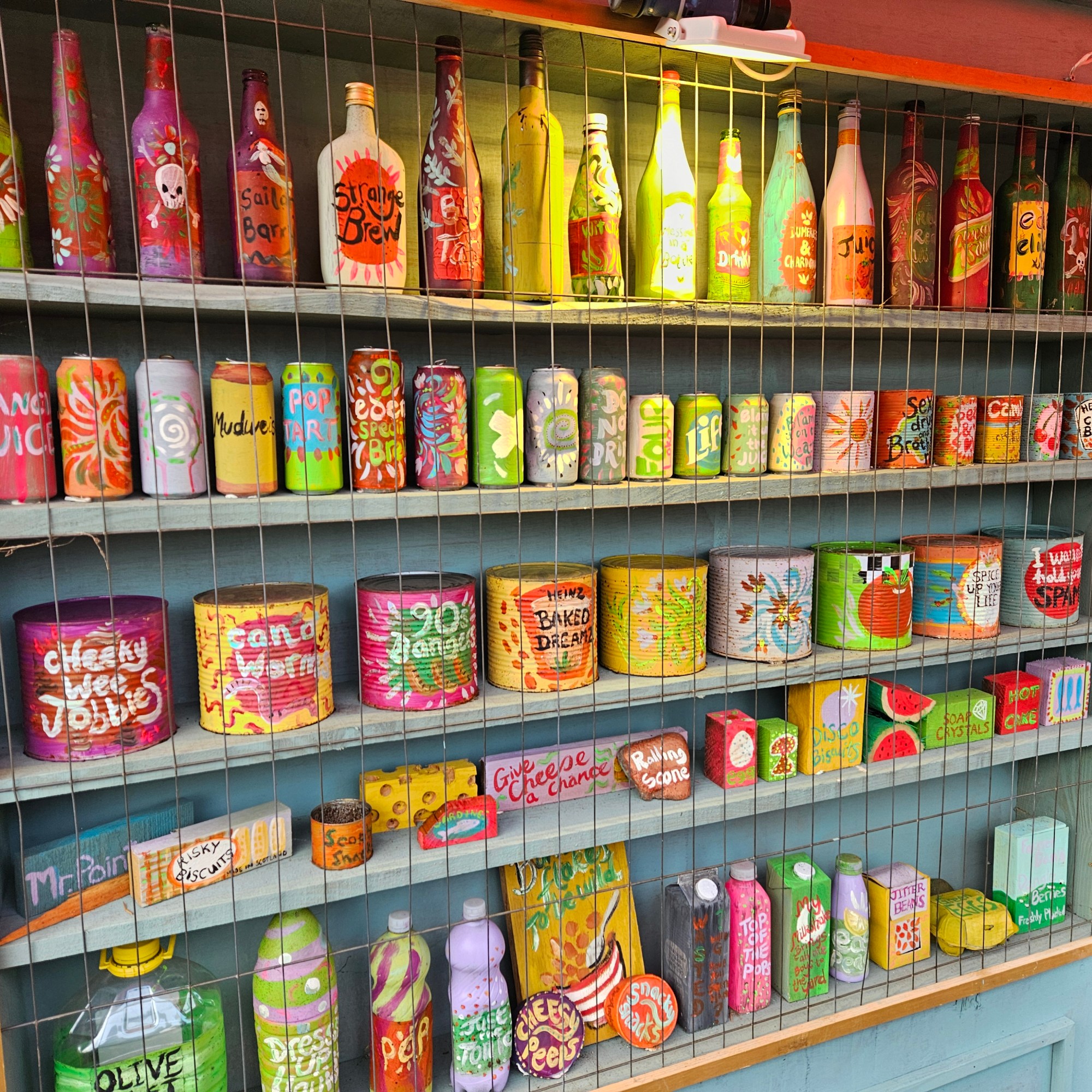
My PhD supervisor John always said that in research, you have to be unrealistic: otherwise, knowing how long progress actually takes, you’d never start a single project. So yes, we need hard evidence, but we also need hope – that’s my personal opinion. And that is why this post is first in the series that is currently titled “Give Peas a Chance” (lots more cheesy – meta-pun intended – slogans available at one of the photos from Eden, the one with shelves from the outside of the Bodega space).
 Estere's page
Leave a comment